never stop dreaming.

Someone asked me the other day: if you got called on a podcast, what would your topic be?
I was never really meant for that kind of treatment. But if I had to pick one, it would be this: never stop dreaming.
Dreaming is free. Only humans have the power to visualise. Just like I’m visualising that podcast invite right now. (Not really.) We all have dreams, small or big. Enough has been said about dreaming already, so I’ll just leave one line here: dreams are today’s answers to tomorrow’s questions.
Here’s mine.
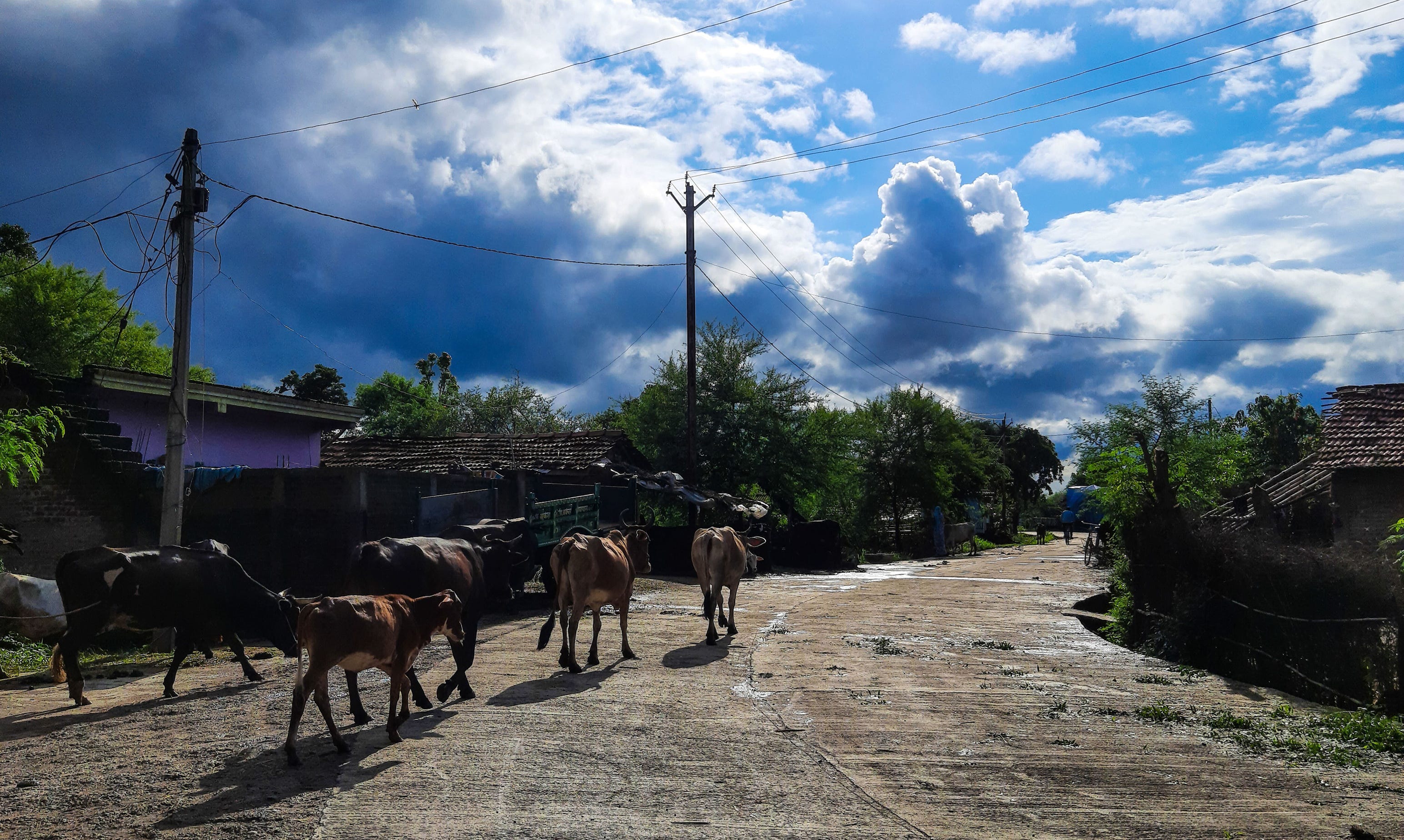
I was raised in a barber’s family. My grandparents worked for the upper-caste communities in our area and served them for years. Haircuts, travelling to deliver wedding invitations, and helping in the fields. In return, they weren’t paid in money but in grain. Real money, those days were reserved for government employees and sahukars. For everyone else, especially the lower castes, it was grain in exchange for skill. That was the whole economy.
My father is the eldest of four brothers. My grandfather was diagnosed with asthma and stayed bedridden for nearly fifteen years. My father took over. He continued the barber work, helped the upper-caste families with their farms, and carried the weight of the household on his shoulders. My mother supported him through all of it. She ran the home, raised the three of us (me and my two sisters), and pitched in at the farms whenever she could. My father eventually helped my uncles set up a small salon in a nearby city. He didn’t want them stuck in the village doing the same thing he was doing.
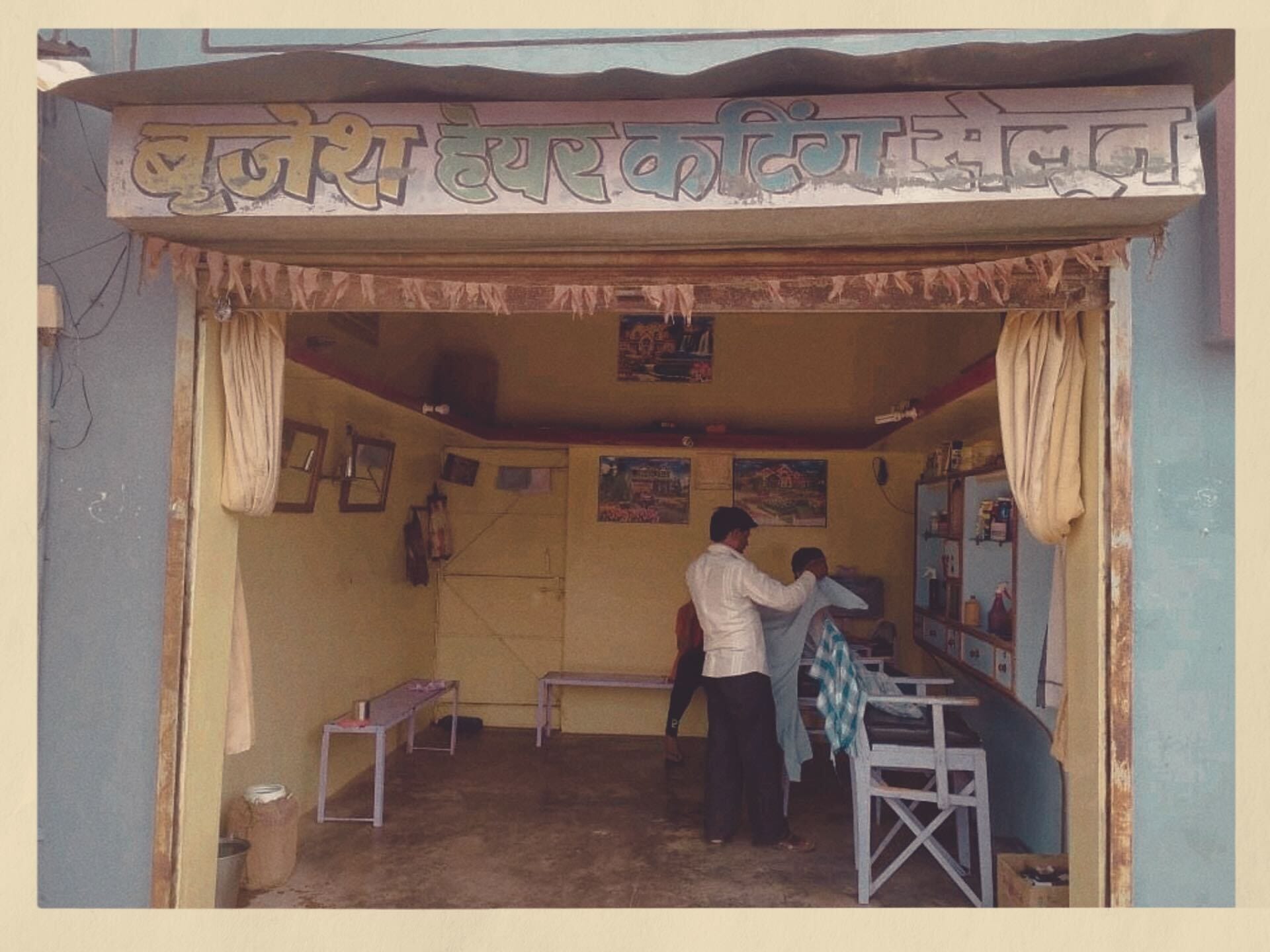
I did my schooling till 5th standard in the village. That’s all we had, a primary school. We grew up in a joint family. My oldest memory is of looking after my sisters at home while my parents went to the farms. Our backyard had a swing tied to a tree; that was usually our play area. Before heading out in the mornings, my mother used to keep our lunch in a pot hanging from the ceiling so the cats wouldn’t reach it. I don’t remember ever going out to eat with my family, but the food she made was nothing less than five-star.
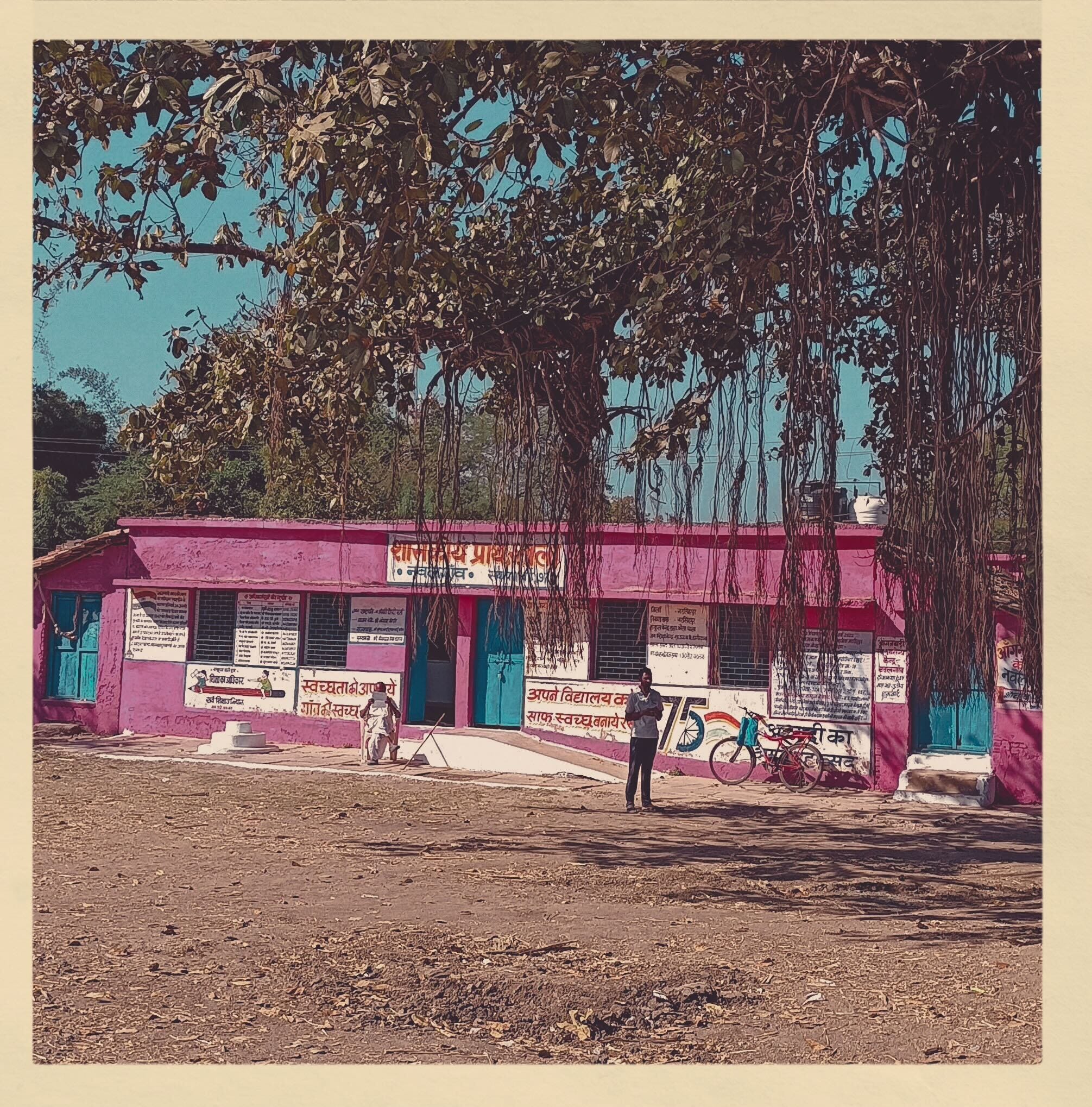
After the 5th, I was pretty certain I’d stay home and take care of my sisters. My father had a different plan. He wanted me to start learning salon work from an early age and work with my uncles at their shop. Honestly, he didn’t have many options. The next school was 4 km from our village, down a rough road that became nearly impossible to cross in the monsoons. A hostel was out of the question, and so were the other expenses. So I started going with my uncle to learn the trade.
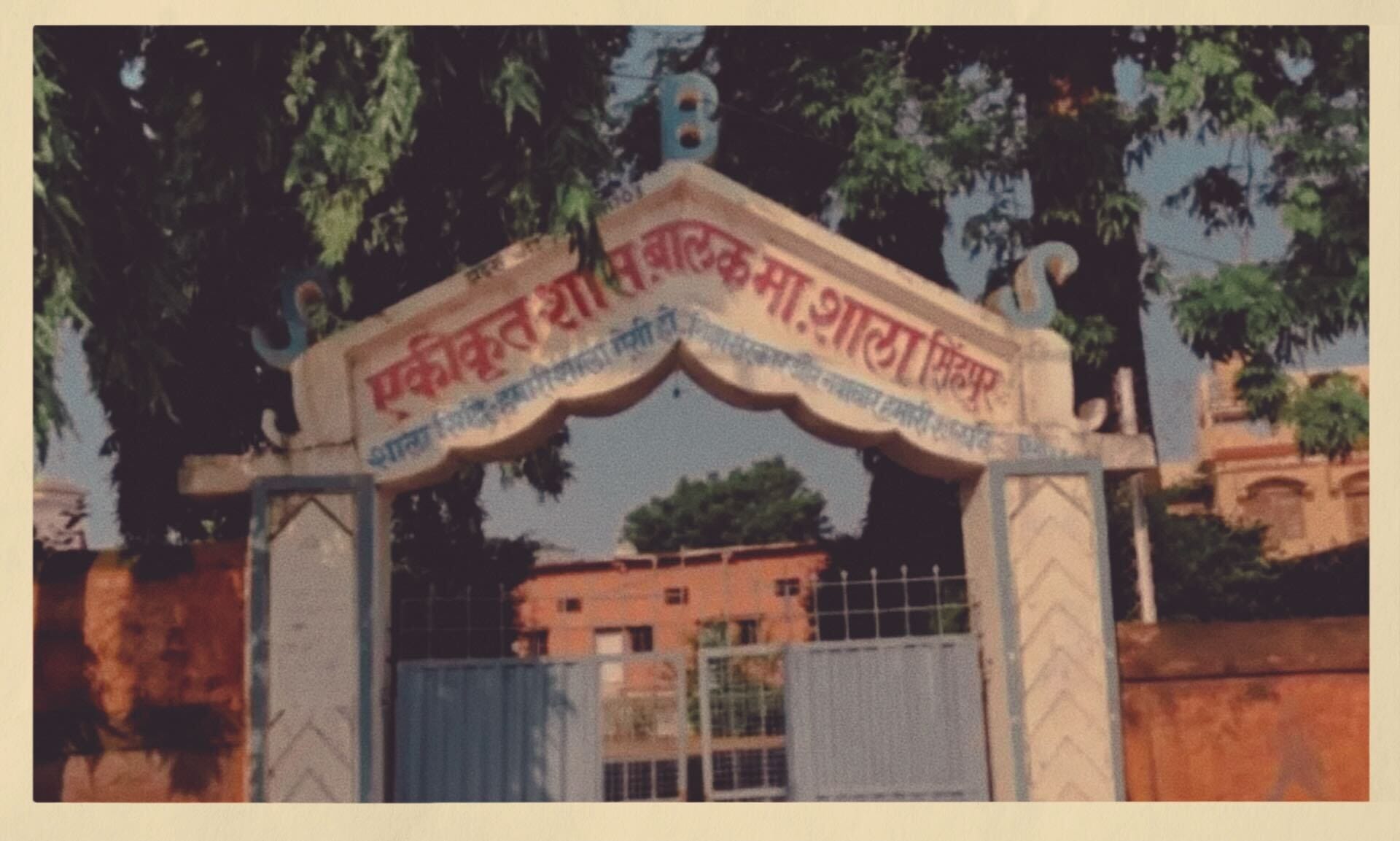
It was the summer vacation after 5th. I accompanied him every day. In between customers, I used to read Bal Bhaskar and collect newspaper cuttings. The secondary school happened to be right across the road from our salon. Every day, sitting in the shop, I’d look across and picture myself inside it. It was a government school, the only one for the five surrounding villages, and it had a bit of history too. Mahatma Gandhi had spent a night there once. Reputed place. Strict admissions.
One of the teachers from that school was a regular customer. One day, he asked me where I studied. I told him I had just topped the 5th standard in my village. He was impressed. You know how teachers love asking about your academics. Then, to my surprise, he asked if I wanted to study further. I couldn’t say yes on the spot (I had to ask my father), but the excitement stayed with me for days. He told me to come to the school the moment admissions opened.
My father agreed, on one condition: my uncle had to drop me off every day. Admission done. He got me a used bicycle, rusted all over, which I painted blue to hide the rust.
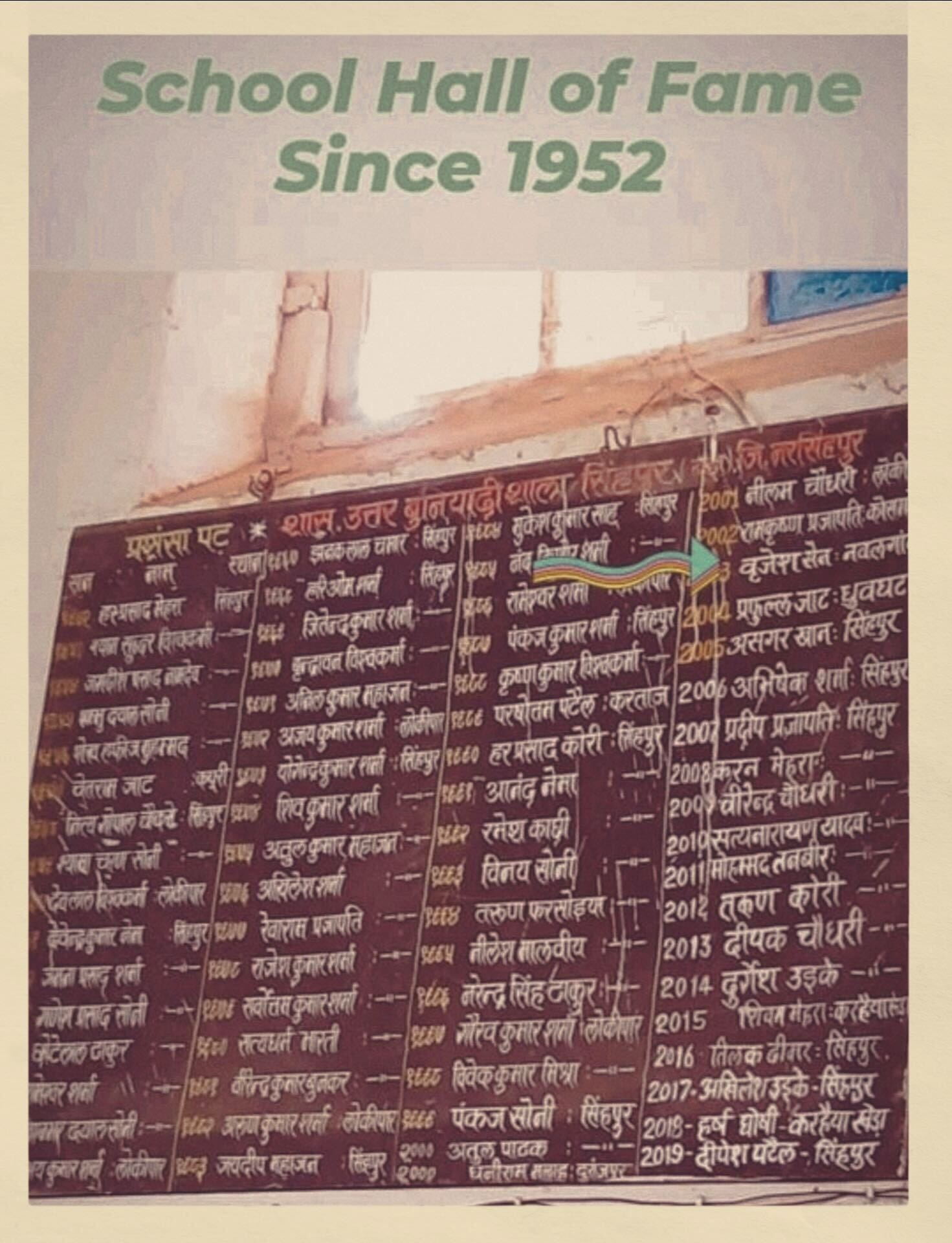
My school became my temple, my second home, my happy place. Unlike my daughter today. I was genuinely grateful for the chance, and I made “doing well” my full-time mission. It took a little time to adjust, but I topped 6th, 7th, and 8th standard. My name went up on the school’s hall-of-fame board, and they gave me a silver medal. They even called my father up on stage with me to collect it together. A rare moment for us. My uncles quietly paid my monthly fees. I couldn’t enroll in NCC because we couldn’t afford the uniform. When I got that medal, my grandfather spent weeks bragging about it in the village.
After 12th, the game changed.
Higher studies meant going further away. Hostel, college fees, transport, everything. And my father didn’t need just a helping hand anymore; he needed someone who could earn. So after 12th, I started working in the farms with him. Meanwhile, friends from school had begun preparing for engineering entrance exams. One close friend was already in a coaching class and suggested I attempt the pre-engineering test. If I scored well, I could get into a government college with a scholarship, and the fees would stay manageable. He passed me some scorers and self-study books.
For three months, I prepared while farming. Some mornings I’d reach the fields early and spend the afternoons studying under a tree. I did that for weeks. He even filled out my exam form for me.
I cleared the exam with an average rank—no government college. I had pretty much given up. Then one day, a friend who worked as an LIC agent suggested I try for an education loan. That one sentence changed the direction of things. I went to a bank in another village and waited nearly a week before I was allowed to meet the manager. He refused the loan outright. I stood there, not really sure what I was supposed to do next. I waited a few more days, managed to meet the branch head, and told him the full story. On a promise of good performance, he agreed to sign the loan.
College was its own thing. I taught tuitions on the side to cover my daily expenses. The road was still full of rough patches: ragging, broken English, a complete lack of etiquette, and rural-kid discomfort. I graduated in 2011, right when the Satyam scam had flattened engineering placements across the country. Hardly any companies came to campus. I finished my degree without a job. I took a coaching role at my old teacher’s institute, which somehow paid the bills for a while. After three months of constant job hunting, Cocubes finally hired me, mainly because my academics held up. That was July 2011.
It’s been fifteen years since. There hasn’t been a single no-pay day.
I had a lot of dreams. Or maybe they were necessities dressed up as dreams. Either way, I started ticking them off one by one.
First, I told my parents to retire. Asked them to stop working. Started sending money home every month. My sisters had sacrificed a lot for me. They couldn’t continue studying after 12th because of our situation back then. Once I had a stable job, I made sure both of them resumed and completed their graduation. One of them is a teacher now. I saved up and renovated our old house in the village. I got married. I have a daughter now, and she’s already dreaming about things much bigger than I ever did at her age.
I’m extremely grateful for whatever I’ve got. Never complained about any of it. This was genuinely the best-case scenario for me. The worst case was that I’d have stayed a dreamer forever, without ever doing anything about it.
So, for anyone who read this far: never stop dreaming.
Thanks!
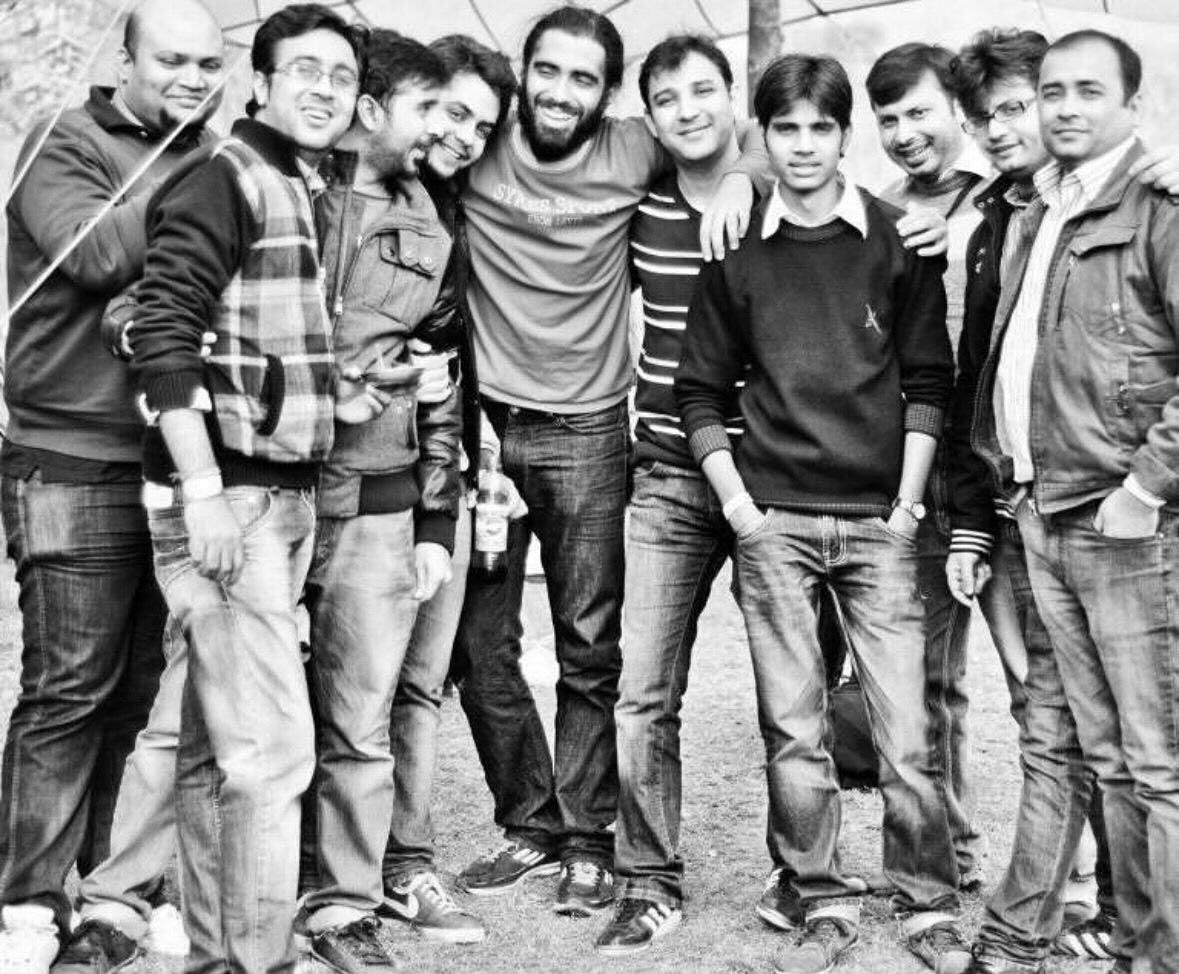
This was my first company offsite back in 2011 with CoCubes — with the people who came to my rescue.
It's always humbling to know where our friends and colleagues come from.. And inspirational to see where they've reached. Thank you for sharing your story Brajesh... And yes... Thank you for reminding me to never stop dreaming..